GIVE TO GAIN: Why Investing in Women’s Health is Uganda’s Greatest Dividend

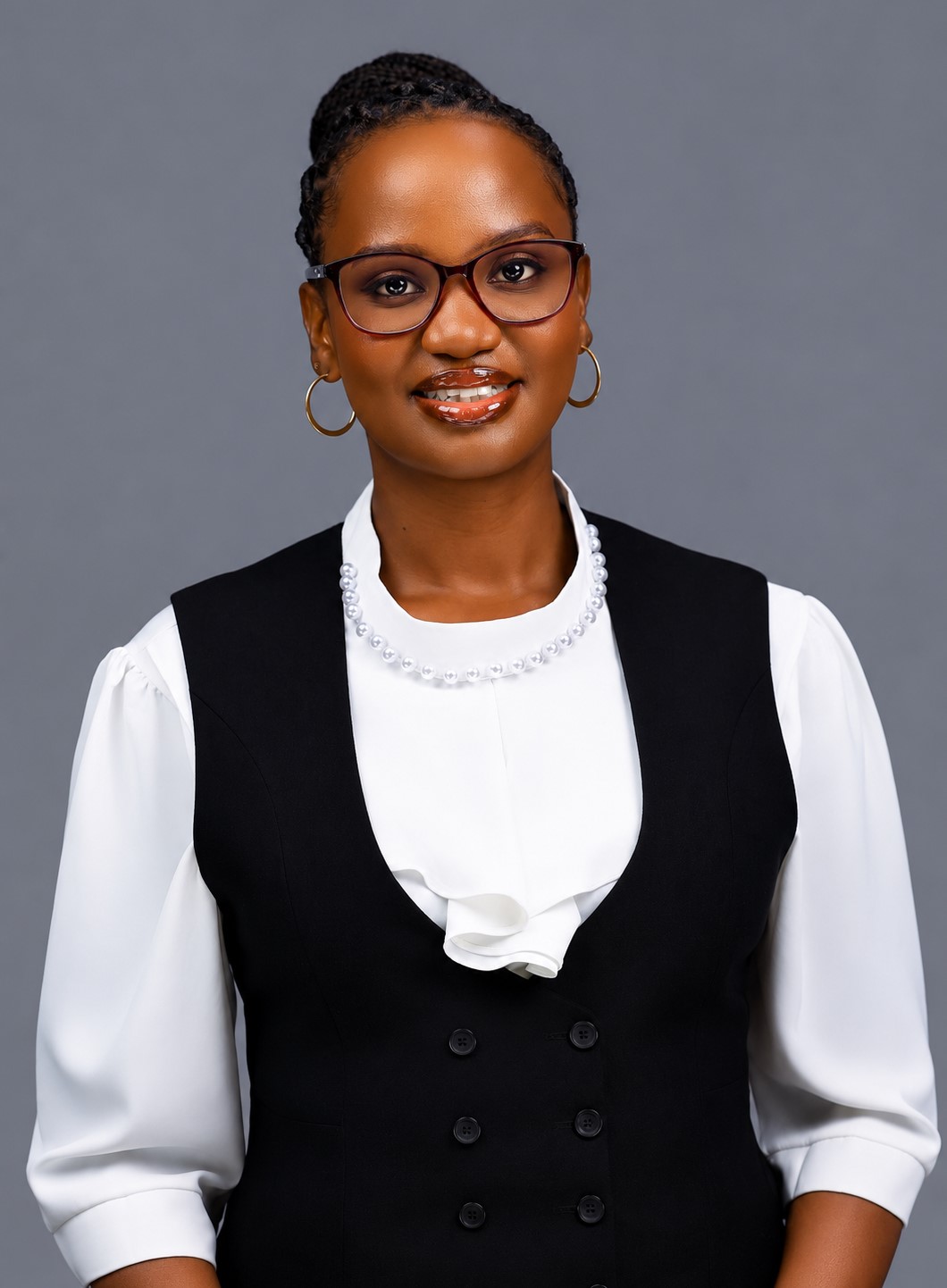
– By Jacqueline Twemanye | Communications Coordinator | Center for Health, Human Rights and Development

As we commemorate International Women’s Day on March 8, 2026, the global theme β€œGive To Gain” challenges us to rethink generosity not as charity, but as strategy, because investment in women is not subtraction; it is intentional multiplication. When women thrive, families stabilise, communities prosper, and nations grow. At the Center for Health, Human Rights and Development (CEHURD), we understand β€œGive To Gain” as a call to invest deliberately in women’s health, rights, dignity, and agency. When we give women the legal protection, equitable health services, and social equity they deserve, the entire nation gains productivity, resilience, harmony, and justice.

This is a moment to measure whether the dividends from the promises we make to women and girls are visible in their daily lives. Are they safe when they seek care? Can they afford treatment? Are their rights and freedoms respected in health facilities, in homes, in workplaces, and under the law?

The Health Gap We Must Close

Uganda has made measurable progress in maternal health, with maternal mortality declining significantly in recent years. While the country’s maternal mortality ratio has declined to approximately 76 per 100,000 live births in 2024, national estimates still suggest that many women die from preventable causes such as postpartum haemorrhage, eclampsia, unsafe abortion, obstructed labour, and complications from fistula. Behind every statistic is a woman whose life could have been saved through timely care, adequate supplies, accountable systems, and prompt referrals.

Non-communicable diseases are increasingly shaping Uganda’s health burden. Cervical cancer remains the leading cause of cancer-related deaths among women, with projections indicating a sharp rise in incidence rates, expected to reach 66.1 per 100,000 women by 2030. Thousands of new cases are diagnosed each year, many detected late due to limited screening and awareness. Breast cancer cases are also increasing and are often diagnosed at advanced stages, when treatment is more complex and costly. These are not inevitable tragedies; they are preventable and treatable when detected early.

CEHURD notes that giving to women in this context means investing in prevention through HPV vaccination, routine screening, early detection, and affordable treatment. It means integrating cancer services into primary health care and ensuring that no woman must travel hundreds of kilometres to access life-saving services. This is why we have advocated for increased financing for non-communicable diseases and stronger implementation of vaccination programmes such as HPV vaccination for girls. A health system that prioritises women must invest in prevention, early diagnosis, and affordable treatment.

HIV, Inequality, and Structural Barriers

Women in Uganda continue to bear a disproportionate burden of HIV, at 7.2 percent compared to 4.3 percent among men. CEHURD’s work on HIV/AIDS indicates that young women and adolescent girls aged 15–24 remain significantly more likely to acquire HIV than their male peers. This is largely driven by structural inequalities, economic vulnerability, and gender-based violence.

While Uganda has made strides in expanding access to antiretroviral therapy, and national HIV prevalence stands at about 5.1 percent among adults, access is not uniform. Stigma, fear, criminalisation of vulnerable populations, and regressive laws continue to undermine prevention and treatment efforts. We cannot end HIV while ignoring inequality. CEHURD has worked alongside communities, civil society, and partners to advance legal and policy reforms that protect the rights of women living with HIV. Such efforts demonstrate that to β€œgive” means dismantling legal and social barriers that limit women’s agency. It means challenging discriminatory laws and practices, promoting rights-based approaches to HIV services, and ensuring services are not only available but also accessible, confidential, acceptable, respectful, and responsive.

We continue to see stock-outs of essential medicines, underfunded health facilities, delayed referrals, and the persistent cost of accessing care, especially in rural districts. For adolescent girls, the risks are even greater and compounded by factors such as early marriage, teenage pregnancy, limited access to accurate sexual and reproductive health information, as well as fear, stigma, and discrimination in health facilities.

Health outcomes are inseparable from gender equality. When we give women autonomy and protection, we gain healthier communities and a stronger public health response.

From Law on Paper to Justice in Practice

Uganda has progressive constitutional guarantees on equality and non-discrimination, but gaps persist between the law and lived reality. Gender-based violence remains widespread, and its impact goes far beyond physical harm. It leaves deep psychological scars that often go unseen and untreated. Survivors frequently experience depression, anxiety, post-traumatic stress, substance misuse, and in severe cases, suicidal thoughts, Addressing gender-based violence, therefore, must include access to psychosocial support, trauma-informed care, and strong community systems that protect both the body and the mind.. Harmful norms and discriminatory practices continue to restrict women’s and girls’ decision-making power over their bodies and futures.

At CEHURD, our work bridges courtrooms, communities, and policy spaces. For over 15 years, we have advanced social justice in health by treating maternal health, HIV, and reproductive rights not merely as medical concerns, but as matters of accountability and constitutional obligation. Through strategic litigation, we have helped clarify state responsibility in preventable maternal deaths. We have strengthened community monitoring systems to track health service delivery. We have engaged Parliament and ministries on health financing and gender-responsive budgeting. We have amplified the voices of young people demanding access to accurate information and respectful care, and supported grassroots organisations.

Our work is rooted in the belief that health is both a medical and a human rights issue. Giving women justice yields institutional reform. We approach maternal health as a matter of rights and accountability, recognising that services must be accessible, not a privilege. Giving communities legal empowerment yields needed efficiencies. We have influenced structural reforms to address systemic failures that cost women their lives. Giving voice to survivors yields systemic change. We have supported communities to demand better-equipped facilities, timely emergency obstetric care, and improved health financing.

Turning β€œGive to Gain” into Action for Women’s Health

In line with the theme of giving to gain, CEHURD has continually focused on improving the physical and mental health of women and girls in Uganda through tested legal, community empowerment, and research-driven approaches. Through strategic litigation, we have pioneered the use of the law to hold the state accountable for maternal and perinatal deaths. Our landmark cases, such as Constitutional Petition No. 16, established that the government’s failure to provide basic maternal health kits violates the rights to health and life.

The United Nations Human Rights Council has also urged all states to renew their political commitment to eliminate preventable maternal mortality and morbidity at all levels, strengthen efforts to address multiple and intersecting inequalities, and allocate domestic resources to health systems and the provision of necessary information and services related to the right to the highest attainable standard of physical and mental health, including the sexual and reproductive health of women and girls.

We provide a Safe Listening Space and legal aid to survivors of gender-based violence, recognising that social justice in health goes beyond biological factors. It embraces a broader scope of determinants, including chronic stressors, structural inequities, resource constraints, policy gaps, and environmental hazards.

Through advocacy for sexual and reproductive health and rights, and community-led projects supported by small grants to grassroots organisations, we are empowering women to claim their rights. We advocate for age-appropriate health education and life skills, especially among adolescents, recognising that when a woman or girl has control over her reproductive life, she can participate fully in the economy. In districts such as Lira, Gulu, Arua, Yumbe, Oyam, Maracha, and Koboko, we have strengthened community systems to respond to HIV and human rights concerns. By training local male champions and community paralegals, we are dismantling myths that prevent women from accessing HIV care. We also equip women and girls with the knowledge and skills to resist unsafe sex and negotiate safer sex.

It is evident that when we give communities the tools to monitor maternal health services, we gain transparency. When we give adolescent girls accurate sexual and reproductive health information, we gain informed choices. When we give survivors legal and psychosocial support, we gain restored dignity. When we give evidence to policymakers, we gain better laws and stronger systems. Investment in women’s health is not expenditure; it is the development of human capital that truly turns giving into gain.

Our Call to Action

To β€œGive” so that Uganda may β€œGain,” we call upon:

Development partners, civil society, and the private sector to promote equitable health and invest in sustainable health infrastructure, research, and innovation to reach the most vulnerable.

Government to increase and efficiently allocate health financing, prioritise maternal and reproductive health, strengthen cancer prevention and treatment services, and ensure a consistent supply of essential medicines.

Parliament to exercise robust oversight so that laws and budgets reflect the lived realities of women and girls, alongside effective accountability mechanisms.

Health professionals to uphold dignity, confidentiality, prior informed consent, and non-discrimination in every interaction.

Communities and local leaders to reject violence and stigma, and challenge harmful norms that limit women’s autonomy.

In Conclusion

This International Women’s Day reminds us of a simple truth: a country cannot thrive when its women are left behind. Health is not a privilege but a constitutional right. The measure of our commitment will not be in the speeches delivered today, but in the policies funded, the systems strengthened, and the lives saved in the years ahead. The health of a woman is the health of a nation. As we celebrate the achievements of women this year, let us give resources, protection, opportunity, respect, and autonomy so that Uganda may gain equity, productivity, and justice.

This article was first published in the Daily Monitor on 9th March 2026.

A Nation at the Crossroads of Social Justice

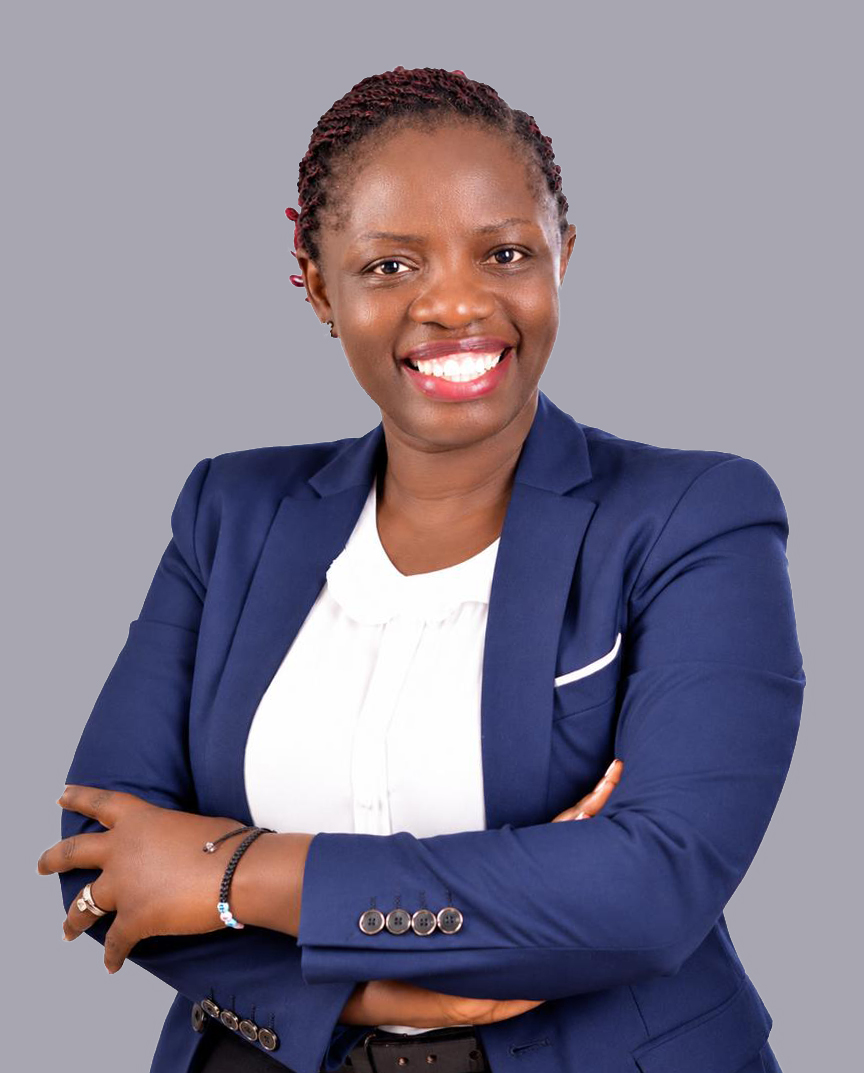
Edgar Rodney Buregeya

As we mark World Day of Social Justice, Uganda finds itself at a defining moment. This year’s theme, Empowering Inclusion: Bridging the Gaps for Social Justice, challenges us to examine whether the rights guaranteed in our Constitution are reflected in people’s daily lives, especially in a period shaped by political transition and socio-economic strain that continue to weigh heavily on the most vulnerable.

The recent parliamentary elections signal this shift. Only 40 percent of Members of Parliament were re-elected. The remaining 60 percent include legislators who championed social justice causes. Whether that legacy endures will depend on how firmly these issues remain anchored in national priorities.

Social justice is not abstract. It is the difference between a mother who accesses emergency obstetric care and one of the 12 women in Uganda who dies from preventable pregnancy-related complications, according to estimates from the Uganda Bureau of Statistics. At its core, social justice addresses the structural conditions that reproduce inequality: underfunded health systems, unsafe environments, and livelihoods stripped of dignity.

Uganda’s Constitution guarantees fundamental rights, and successive National Development Plans have committed to Universal Health Coverage and equitable service delivery. Yet the gaps are stark. Eighty-two districts operate without a general hospital. Many sub-counties lack a functional Health Centre III. More than half of Uganda’s youth are neither employed nor in education or training. Over seven million Ugandans, about 16.1 percent of the population, live below the national poverty line. These are not isolated statistics; they reflect systemic inequities.

For sixteen years, the Center for Health, Human Rights and Development (CEHURD), alongside other advocates, has worked to close these gaps through litigation, research, policy advocacy, and community empowerment. Our experience shows that change becomes possible when institutions are held accountable and communities understand and assert their rights.

In 2024, CEHURD secured a landmark judgment from the High Court holding Mulago National Referral Hospital liable for the disappearance of a newborn. The Court affirmed not only the right to health, but also the State’s obligation to provide psychosocial support to victims of health rights violations. Accountability, the Court made clear, is central to justice.

In May 2025, CEHURD filed a civil suit against the Kampala Capital City Authority and the National Environment Management Authority following the catastrophic collapse of the Kiteezi landfill. The disaster claimed lives and destroyed homes after prolonged warnings about hazardous waste leakage and environmental risk. The Kiteezi community, largely low-income, had long been exposed to preventable harm. The case seeks more than compensation. It calls for systemic reform, safe decommissioning of hazardous infrastructure, environmental restoration, and sustainable waste management that prioritises community health.

Beyond the courts, CEHURD has supported the development and implementation of Uganda’s National Guideline on Self-Care Interventions. This framework strengthens individuals’ ability to manage aspects of their reproductive, physical, mental, and emotional well-being. Through collaboration with the Ministry of Health and grassroots engagement, this work has advanced outcomes in sexual and reproductive health and rights, gender justice, communicable and non-communicable diseases, and mental health.

In September 2025, CEHURD convened the second Uganda National Conference on Health, Human Rights and Development, culminating in the Uganda Declaration on Social Determinants of Health. The declaration recognises a simple truth: most health outcomes are shaped outside hospital walls. Housing, education, environment, nutrition, and gender equality are not peripheral concerns. They determine who lives well and who does not.

World Day of Social Justice in 2026 should therefore serve as a benchmark for policy action. While the National Development Plan IV outlines ambitious commitments, implementation must be matched with equitable financing, functional infrastructure, and measurable accountability.

The Government of Uganda must operationalise the right to health through legislation, budgeting, and coordinated action across ministries including Education and Sports; Water and Environment; Justice and Constitutional Affairs; and Gender, Labour and Social Development. Environmental negligence must carry consequences. Independent oversight mechanisms are essential to prevent tragedies such as Kiteezi from recurring.

This also requires a civic space where public interest advocacy can function without undue restriction. When civil society and communities are constrained, accountability weakens and development outcomes suffer.

Advancing social justice is a shared responsibility. Government carries primary constitutional duties, but meaningful progress depends on cooperation among institutions, communities, and citizens. The promise is a Uganda where a newborn’s survival does not depend on geography or family income, where communities breathe clean air and drink safe water, and where health systems serve all with dignity.

The measure of this commemoration will not be speeches delivered, but structural gaps closed. Health justice and social justice are inseparable. Both demand sustained commitment, principled leadership, and collective accountability.

The writer is a Legal Clerk at the Center for Health, Human Rights and Development (CEHURD).
CEHURD Staff Retreat – Setting the tone for 2026

At the start of every year, we convene our annual staff retreat to pause, reflect, and reset as one institution. The retreat creates space for honest reflection on where we are coming from, clarity on where we are going, and alignment on how we will get there together.

This year’s beginning-of-the-year retreat was designed to link our strategy to everyday practice, ensuring that individual work plans, departmental priorities, and institutional goals were aligned with the strategic plan. It was a space for us to ground ourselves in the values, work culture, and strategic direction.

The week-long retreat enabled us to review progress from the previous year of implementation, which was also the first year of implementing the new Strategic Plan. Through guided discussions, group work, and plenary sessions, teams assessed what worked well, what fell short, and what needed to change to strengthen institutional impact.

Watch our retreat experience; https://youtu.be/29l4jvElL_A?si=P1BO_Fe70kASMb-l

The retreat also served as a key platform for capacity building and compliance. Staff were oriented on programme priorities, institutional policies, monitoring and reporting tools, and financial and administrative processes to support effective, accountable, and ethical delivery of our work.

Staff wellness and teamwork were central. Dedicated self-care and wellness sessions created time to recharge, strengthen working relationships, and reinforce a culture that values both performance and wellbeing.

By the close of the retreat, staff had a shared understanding of 2026 priorities, clearer roles and responsibilities, strengthened technical capacity, and renewed commitment to advancing health and human rights through coordinated, values-driven action.

As an institution, we are charged and set for 2026, prepared, aligned, and clear about the work ahead.

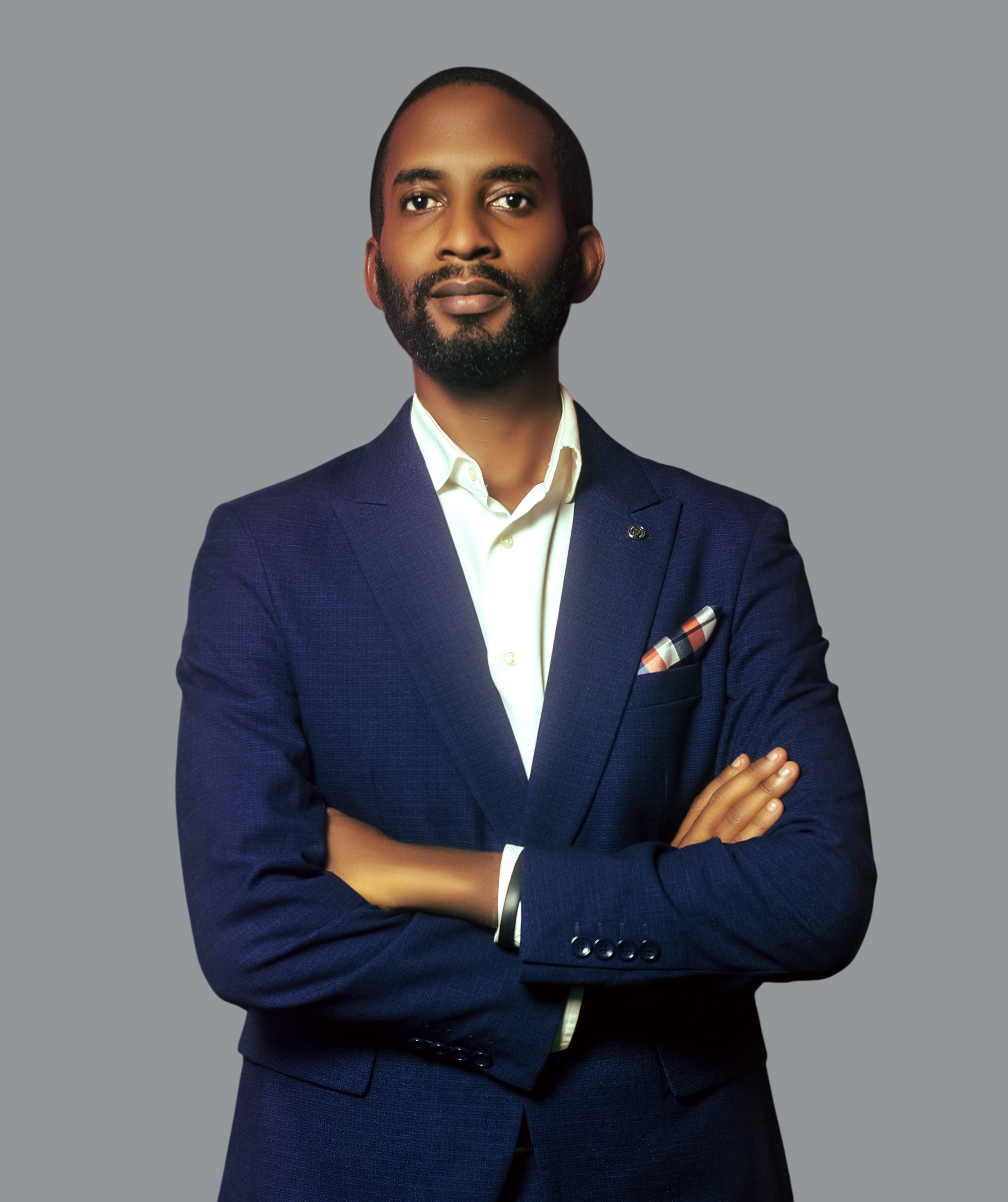
Compiled by Jacqueline TwemanyeCommunications | Center for Health, Human Rights and Development (CEHURD)

Combating Myths and Misconceptions, and Encouraging Open Conversations About HIV Prevention

By Rhodine Kitandwe

International Condom Day is a global call to re-energize conversations about condoms as a vital tool for health, protection, and self-determination. Condoms are a simple, cost-effective, and proven means of enabling safer and healthier sexual experiences. They offer triple protection – preventing HIV, other sexually transmitted infections (STIs), and unintended pregnancies.

On this International Condom Day, the Center for Health, Human Rights and Development (CEHURD) celebrates condoms as a symbol of informed choice, dignity, and bodily autonomy. We reaffirm our commitment to expanding access to information about condoms and providing accurate, honest, and rights-based sexual health education, in line with our mission to advance the health rights of vulnerable communities through litigation, advocacy, research, and empowerment.

Condoms as a Cornerstone of HIV/STI Prevention

Condoms remain one of the most effective and affordable HIV prevention tools available today. According to UNAIDS, condoms are approximately 98% effective at preventing HIV when used correctly and consistently, and their consistent uptake has helped avert an estimated 117 million new HIV infections since 1990. Condoms also significantly reduce the transmission of common STIs such as gonorrhea and chlamydia, while simultaneously preventing unintended pregnancies.

These facts underscore a simple truth: condoms are not merely a physical barrier, but a cornerstone of public health strategy. Their widespread and correct use contributes directly to reducing HIV transmission, lowering the burden of STIs, and preventing maternal health risks linked to unintended pregnancies, especially among adolescent girls and young women.

CEHURD’s work highlights this dual benefit. In our research on access to contraception in Uganda, we demonstrated that contraceptives such as condoms provide dual protection against both sexually transmitted infections and unplanned pregnancy. By promoting condom use, we not only protect lives but also safeguard women’s reproductive health. Indeed, every condom used correctly carries the potential to prevent disease, reduce harm, and preserve life.

Empowering Communities and Youth Through Education

Condoms are most effective when paired with accurate information and supportive environments. They empower individuals, especially young people, by giving them control over their own bodies, health, and futures. CEHURD emphasizes that access to accurate information is as important as the condom itself. During our community engagements, many young women shared that their greatest regret was never being taught about contraception, how to negotiate safe sex, or how to resist unsafe and coercive sexual encounters. Our research continues to show that limited access to age-appropriate information about sexual and reproductive health, especially among adolescents and young people, remains one of the barriers to using condoms and other contraceptives in Uganda. In practice, many young girls and boys in hard-to-reach areas often lack even the most basic facts about safe sex and HIV prevention.

We therefore strongly advocate for holistic education and meaningful youth participation that provide life skills and health education. CEHURD advocates that young people not only receive information about sexual and reproductive health and rights but are also involved in decisions affecting their lives and wellbeing. When equipped with knowledge and confidence, young people are better able to protect themselves and their peers. Through CEHURD’s peer educators and community health advocates, we regularly support adolescents and young adults to access services and make informed choices. One peer educator shared the story of a 21-year-old who bore six children in six years simply because no one had explained family planning options to her. This stark reality reminds us that silence and misinformation come at a high cost. Breaking the taboos around condoms and contraception through education must be universal, inclusive, and sustained to achieve the required impact.

Overcoming Barriers: Stigma, Inequality, and Access

Despite their proven effectiveness, condom use in Uganda remains constrained by persistent social, cultural, and structural barriers. Gender inequality often limits women’s ability to negotiate safer sex, particularly in relationships characterized by age, economic, or power imbalances. In some areas, harmful myths persist – for instance, beliefs that condoms reduce sexual pleasure or are a source of shame. In some cultural contexts, women are discouraged from refusing sex or requesting contraception, and condoms are framed as diminishing enjoyment, despite evidence to the contrary.

Religious and traditional norms sometimes label condoms as immoral, further entrenching stigma. The consequences are significant: only about 17% of Ugandans report using a condom during their last sexual encounter, compared to much higher rates in neighboring countries such as Kenya (67%) and Tanzania (47%). This low uptake represents a serious public health concern. CEHURD joins national, regional, and global partners in rejecting stigma and misinformation. We remind communities that using condoms is an act of responsibility and self-respect, not shame. Importantly, this is also the messaging of the Ugandan government, including its officials, informing the public that free government-supplied condoms are safe, effective, and freely available to everyone, encouraging their use without fear or stigma.

We reiterate that sexual health is a right, and no one should be coerced into sex without protection nor denied the means to protect themselves. We must all challenge punitive social norms, promote gender equity in relationships, and affirm the agency and value of women and girls as essential steps toward improving population health. In practice, this means educating both young men and women about consent, respect, and protection, while ensuring condoms are accessible regardless of income, location, age, or status.

Celebrating Global and Local Efforts

On this International Condom Day, we also take time to acknowledge the progress and collective efforts made. Globally, organizations like WHO and UNAIDS continue to work with governments and community groups to distribute free condoms, train health educators, and establish youth-friendly services.

In Uganda, both government and civil society have demonstrated leadership. National campaigns and public engagements have reaffirmed that the use of effective condoms is central to ending HIV. Health officials estimate that nearly half of the HIV infections averted in recent years are attributable to condom use, and condoms have contributed to a substantial reduction of about 59% in other STIs. The Government of Uganda has committed funding of one billion shillings toward sustaining condom procurement and ensuring a steady supply nationwide. Partners such as AHF Uganda Cares highlight that condoms can offer up to 95% protection against HIV and other STIs when used consistently and correctly.

These efforts – from grassroots initiatives to national-level commitmentsβ€”are worth celebrating, and CEHURD is proud to stand alongside partners who champion condoms as a life-saving, rights-affirming public health tool.

Call to Action: Support, Educate, Empower

As we commemorate World Condom Day, CEHURD calls on all stakeholders to recommit to sexual and reproductive health and rights by taking the following actions:

  • Policymakers should increase funding for free or low-cost condom distribution nationwide, integrate condom access into health policies and insurance schemes, and protect SRHR strategies informed by evidence-based programming.
  • Healthcare workers and educators should provide non-judgmental and youth-friendly counseling, ensure condoms are available in all health facilities and outreach programs, and deliver age-appropriate, holistic education to youth.
  • Civil society and the media should challenge misinformation, normalize positive messages about condom use, and amplify stories of healthy, respectful, and protective relationships.
  • Young people and communities should demand accurate SRHR information, carry and use condoms without shame, and support one another in making safe choices.

Together, these actions can significantly reduce new HIV and STI infections and prevent unintended pregnancies, because condoms are a simple, affordable, and powerful tool.

Conclusion

The effective use of condoms is a simple yet powerful way to safeguard health, dignity, and choice. On this International Condom Day, CEHURD joins the global community in reaffirming our commitment to sexual and reproductive health and rights for all. We call on government, healthcare providers, educators, families, and young people to keep the conversation open, invest in condom access, and empower every individual with the knowledge they need to protect themselves. By doing so, we move closer to a Uganda where everyone, regardless of age, gender, or status, can live healthy, empowered lives free from fear of HIV, STIs, or unplanned pregnancy.

Let’s make every day a day to protect health, dignity, and the future of our communities.

The author is an advocacy officer at the Center for Health, Human Rights and Development.

Strengthening Community Systems for HIV and Human Rights Responses

Lessons from Agweng Sub-county, Lira District

With support from TASO Uganda, CEHURD has strengthened community-based organizations (CBOs) under the Resilient and Sustainable Systems for Health (RSSH) program, across multiple districts. These efforts have driven measurable gains in HIV and human rights outcomes.

CEHURD-supported CBOs have improved responses to violence, exclusion, and care barriers through stronger referral pathways, community mediation, and sustained follow-up. This has helped affected individuals regain access to health, protection, and social services. District-wide experiences like these provide vital context for the transformative lessons from Agweng Sub-county, Lira District – showing how investing in local actors builds resilient, community-led HIV and human rights initiatives.

Tackling Barriers in Agweng Sub-county

In Agweng Sub-county, HIV service access is hindered not just by distance to facilities, but by stigma, gender inequality, poverty, and ongoing human rights abuses. Orphans, vulnerable children, adolescent girls, and young women living with or at risk of HIV often face delayed care, loss to follow-up, and heightened vulnerability.

Under the Global Fund-supported GC6 RSSH Capacity Building Programme – implemented through TASO – CEHURD partnered with Fountain of Justice and Restoration (FOJAR) to fortify rights-based, community-led health responses. FOJAR’s journey underscores how targeted capacity building yields real health and human rights progress.

Through training, mentorship, and systems strengthening, FOJAR built expertise in integrated HIV prevention, care, and human rights work for hard-to-reach communities. Key gains included enhanced outreach, referrals, documentation, reporting, and partnerships with health facilities and local leaders.

FOJAR indirectly reached over 1,800 community members and directly served 800 beneficiaries – including orphans, vulnerable children, adolescent girls and young women, and people living with HIV. Services encompassed HIV testing, ART linkage, viral load monitoring, contact tracing, psychosocial support, and human rights education. These efforts boosted treatment adherence, curbed loss to follow-up, and expanded service uptake among marginalized groups.

Addressing Stigma, Abuse, and Exclusion

FOJAR’s strengthened capacity enabled swift action on complex cases of stigma, abuse, and exclusion, especially for children, adolescents, and young women affected by HIV.

A 15-year-old girl born with HIV and living with a disability lost her inheritance after her mother’s death and faced stepfamily rejection. FOJAR kept her in care at Abala Health Centre III while coordinating referrals for protection and welfare.

β€œAfter my mother died, everything meant for my future was taken away. I was told I did not belong. FOJAR helped me stay in treatment and followed up on my safety when I had nowhere else to turn.”
– Adolescent girl living with HIV, Agweng Sub-county

In Angolocom Parish, two adolescent sexual abuse survivors- now young mothers living with HIV -received treatment, psychosocial support, and sensitive disclosure after years of neglect. FOJAR’s community staff managed referrals and follow-up, proving the power of trusted local actors.

β€œWe were abused and left without support. Before FOJAR came, no one helped us access care or understand our rights.” – Adolescent mother living with HIV, Angolocom Parish

Children with HIV also endured isolation and school fears. FOJAR’s community dialogues with cultural, religious, and opinion leaders challenged norms and fostered inclusion.

Fortifying Health Facility Partnerships

FOJAR’s work deepened ties with Abala Health Centre III, yielding concrete HIV gains:

  • Viral load suppression rose 5% above prior averages.
  • 30% of new HIV-positive clients linked successfully to care.
  • Lost-to-follow-up clients were traced and restarted on treatment.
  • Men’s service uptake grew via community outreach.

The ART clinic in-charge noted that FOJAR’s interventions made care accessible to those deterred by stigma, distance, or privacy issues.

Broader Community Accountability and Protection

FOJAR also strengthened systems for violence response, child neglect, forced dropouts, and early marriage – often tied to HIV risks. From 2023 – 2025, collaborations with sub-county leaders, traditional authorities, and religious groups enabled mediation, referrals, and follow-up, filling gaps from exiting donor programs.

β€œI was forced into marriage at a young age and experienced domestic violence. After returning to my family home, I faced exclusion that denied me access to land, food, education for my children, and basic services. Support from community-based actors has helped me seek protection, regain access to services, and work toward a more stable future for my children.”
– Community member living with HIV, Lira District, supported by FOJAR

Sustaining Gains Through Local Ownership

GC6 RSSH support yielded lasting results:

  • HIV, human rights, and inclusion integrated into FOJAR’s strategic plan.
  • Trained resource persons continue parish-level support.
  • Documentation, reporting, and learning systems institutionalized.
  • FOJAR established as a key district partner in health and protection.

This story upholds the critical role of local actors in delivering sustainable, rights-based HIV responses attuned to community realities.